



How to build trust on your website
How to build trust on your website when people cannot meet you first: honest signals that work, the ones that backfire and the consumer law lines not to cross.
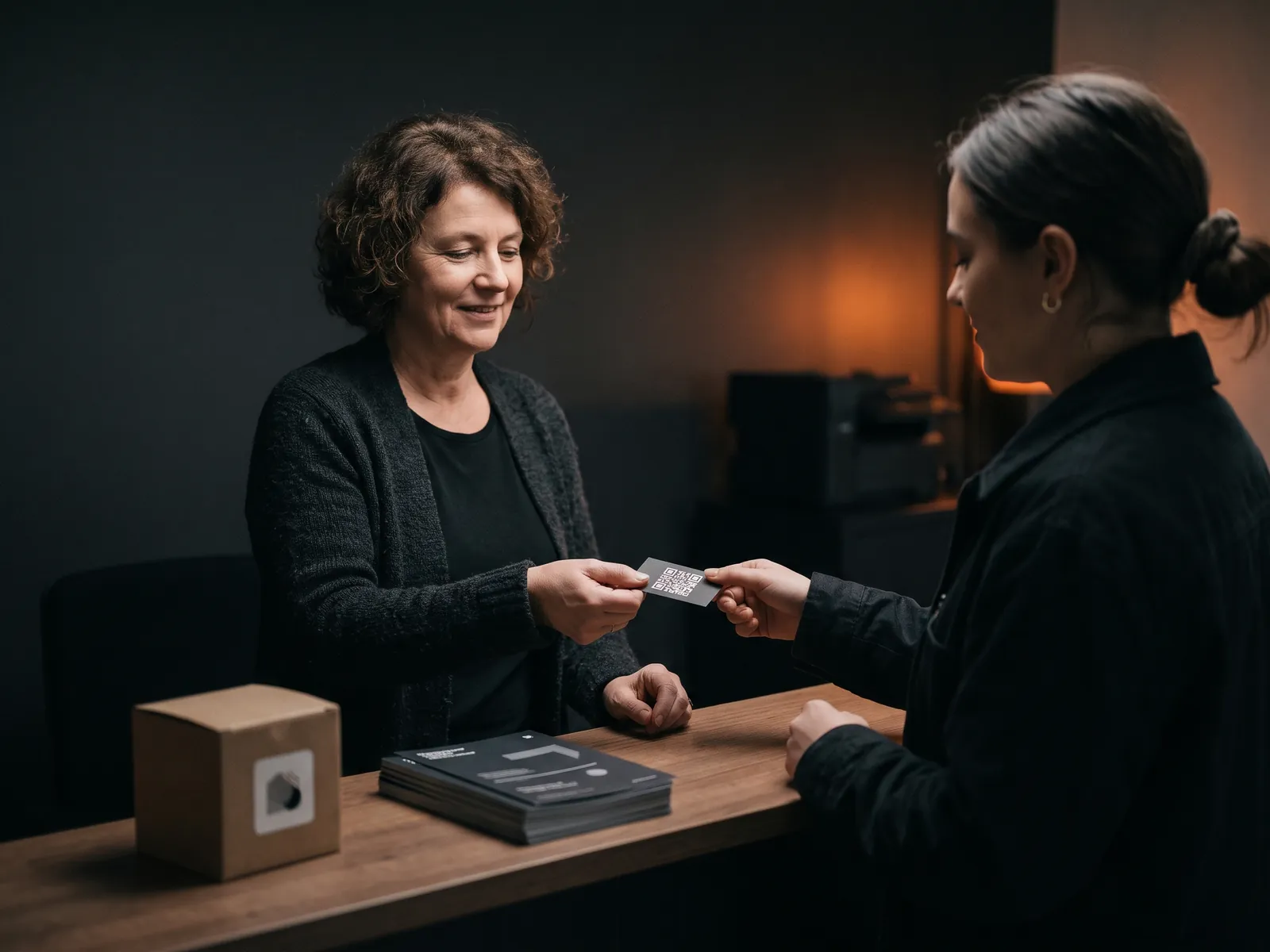
To build trust on your website, show the real people and work behind the business, be clear about prices and what happens next, make it easy to check you out elsewhere, and never fake anything. People who cannot meet you in person look for evidence that you are real, competent and fair. If they find it quickly, they enquire. If they find gaps or anything that smells off, they leave without telling you why.
This matters more every year. More Australians find and hire businesses online, including tradies, clinics, accountants and online stores they will never visit. Below are eleven signals that genuinely build trust, followed by the shortcuts that do the opposite and can land you in trouble under the Australian Consumer Law.
Eleven honest trust signals
1. Real faces
A photo of the owner, the team, the van, the workshop or the clinic does more than any slogan. It does not need to be a professional shoot. A clear, well-lit phone photo of a real person beats a polished stock image every time, because visitors can tell the difference.
2. A named person behind the business
Say who runs the business and how long they have been at it. "I'm Sam, I've been a licensed electrician on the Sunshine Coast for twelve years" is more convincing than "a team of dedicated professionals".
3. Where you work, stated honestly
List your service area and, if relevant, where you are based. If you work remotely or from home, say so plainly instead of implying a shopfront. Honesty about the small things makes people believe the big things.
4. Clear prices or price ranges
Unexplained "call for a quote" on everything makes some people assume you are expensive or evasive. Starting prices, typical ranges or what affects the price show confidence. Any price you do show must be clear, and under the Australian Consumer Law, compulsory fees generally need to be included in the headline price rather than added later.
5. Licences, registrations and insurance that are real
Where your industry requires a licence, show the number and make it easy to verify with the relevant state body. Mention insurance if you hold it. Only list memberships you actually have and that are current.
6. Reviews people can check
Link to your Google Business Profile or another independent review platform rather than only pasting quotes on your own site. Visitors trust reviews more when they can see them in a place you do not control. There is a full guide to a Google reviews strategy.
7. Examples of real work
Before-and-after photos of a renovation, a gallery of finished kitchens, a short description of a project and how it was done. Specific beats general. Note that some industries, especially health, have strict rules on before-and-after images and testimonials.
8. A clear process
Explain what happens after someone enquires: you reply within a set time, you visit or call, you send a written quote, the work happens, then payment. Uncertainty is a big source of hesitation, and a simple step-by-step section removes it.
9. Fair terms, written down
Payment terms, cancellation or rescheduling rules, what happens if something goes wrong. Keep them short and in plain English. Note that consumer guarantees under the ACL apply automatically and cannot be excluded by your terms, so do not write anything that suggests otherwise.
10. A secure, working website
HTTPS, a form that actually sends, no broken links, no "copyright 2019" in the footer. These are small things, but visitors notice neglect and assume the business is neglected too. A privacy policy that explains what your forms collect is good practice; see a website privacy policy in Australia.
11. Fast, human replies
Trust continues after the click. Say how fast you reply and then do it. An enquiry answered in an hour wins far more often than one answered in three days.
Shortcuts that destroy trust, and may break the law
Some tactics look tempting and work against you, and a few are illegal. The ACCC has taken action against businesses over misleading reviews and claims.
| Shortcut | Why it backfires |
|---|---|
| Writing your own reviews or paying for fake ones | Illegal under the ACL as misleading conduct; also easy to spot |
| Hiding negative reviews while showing positive ones | Can mislead consumers; the ACCC has warned about review manipulation |
| Fake countdown timers and false scarcity | Misleading, and visitors increasingly recognise them |
| Badges or awards you did not earn | Misleading and easy to check |
| Stock photos presented as your team | Breaks trust the moment someone notices |
| Prices that grow at checkout with surprise fees | Drip pricing rules apply; total prices should be clear |
The safe rule: say only what is true and what you can back up. There is more detail in consumer law, reviews and pricing. This article is general information; for certainty about your own claims, reviews policy or terms, check with a lawyer.
Where to put trust signals on the page
Trust signals work best close to the decision. Put a short line about reviews or experience near the main button on the homepage, real photos on service pages, the process near the contact form, and terms one click away. A dedicated "about" page helps, but many visitors never reach it, so do not hide everything there. The homepage order is covered in how to structure a homepage that sells.
A note on my own website
I practise what I preach here, which means some things are missing on purpose. I do not have Australian clients yet, so I say so and show work from Canada, Poland and Vietnam instead. I have no testimonials to publish yet, so there are none on the site. What I can show honestly is my process, my prices, the case studies of what I built and how, and the terms of working with me: a written agreement, staged payments, and accounts in your name.
If you want a website built around honest trust signals for your business, a multi-page site starts at $1,400 (AUD), and I write the copy with you so every claim is one you can stand behind.
Let’s talk
about your business
Before the call I review your website and ads. After the call you get an action plan and a price range in writing.

12+ years in online marketing, 100+ clients. I build websites, Google Ads and Meta ads campaigns, CRMs and automations for small and mid-sized businesses. About me →
Website trust
questions
Can I put customer reviews on my own website?
Yes, if they are genuine and fairly represent what customers say. Avoid editing them to change the meaning or showing only glowing ones while hiding a pattern of complaints. Linking to an independent platform like your Google Business Profile adds credibility. Some industries, such as health, have stricter rules on testimonials.
Do I need a physical address on my website to be trusted?
Not necessarily. Many legitimate businesses work from home or travel to customers. What matters is being honest about where you work and how to reach you. A clear service area, a real phone number, named people and verifiable reviews often build more trust than an address.
Are stock photos bad for trust?
Stock photos of generic scenes are fine for decoration, but passing them off as your team or your work misleads visitors and they often notice. Use real photos for people, premises and finished jobs. Phone photos taken in good light are perfectly acceptable.
What should I do if I get a bad review?
Reply calmly, briefly and publicly, acknowledge the issue and offer to sort it out offline. Do not argue or reveal private details. A thoughtful reply to a negative review often reassures future customers more than another five-star rating.
A website people
feel safe contacting
Tell me what makes customers choose you. I will build a site that shows it honestly, with real photos, clear prices and a simple next step.