Visibility[01]
Shoppers search
before they walk
People check online whether you have something in stock. If they can't tell, they order it from a website instead.
Ads and visibility: customers who are looking for your service now or don’t know about it yet.
01 Google AdsEnquiries from people searching for your service right nowfrom $800/mo 02 Social media adsMeta, TikTok, LinkedIn: customers who are not searching yetfrom $800/mo 03 SEOHigher in Google and Maps without paying per clickfrom $690/mo 04 Visibility in ChatGPT and AIYour business in AI assistant answerspart of SEO 05 Amazon, eBay and marketplacesSell where customers already buywith a partnerThe place where a visit turns into an enquiry, and a system that doesn’t lose that enquiry.
01 Web designA website that turns visits into enquirieslanding from $750 02 Online storesCart, payments and shipping, ready for adsfrom $2,300 03 CRMNo enquiry gets lost in a phonesetup $1,100 04 Chatbots and AIThey answer customers, at night too$550 05 Email and SMSCustomers come back instead of forgetting youquoted individuallyPlan and tracking first, budget second. You know what works before you spend more.
01 Strategy and auditKnow where to spend the budget before you spend it$700 02 AnalyticsSee which ad brings in money$470 03 ConsultationsA call about your specific problem$35/h 04 Free auditA quick review and 3–5 priorities to start$0How your business looks and sounds before anyone calls you.
01 Social media managementProfiles that look like a real businesswith a partner 02 Creative and videoGraphics and videos that stop the thumbquoted individually 03 BrandingA logo and style that sets you apartwith a partner Edmonton, Canada
website with a 3D calculator and a CRM
Boreal Kitchens
 Winnipeg, Canada
website and CRM in one system
Adela Strycharz, REALTOR®
 Żywiec, Poland
500+ page website and CRM for a chain
Gładko Tnący Barber
 Warsaw, Poland
website in 4 languages, calculators and CRM
MagCleaning
Marketing for retail stores that gets people off their phones and through your door. I set up Google Maps so local shoppers find you before they find a website overseas.
Free: a 30-minute call, an action plan and a price range in writing.
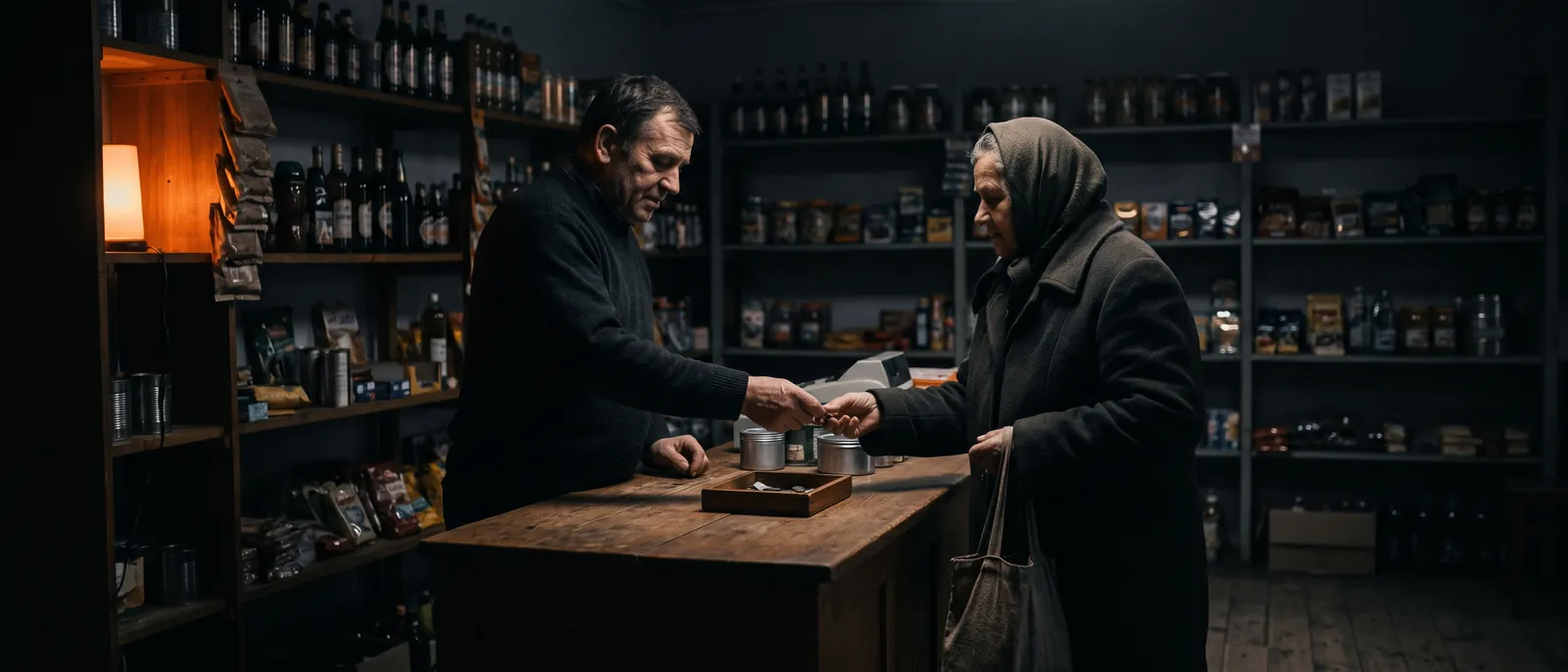
People check online whether you have something in stock. If they can't tell, they order it from a website instead.
Shopping centres and national chains outspend you. Your advantages, like advice and range, aren't visible online.
You know your best customers by face, but you can't tell them about new stock or an event.
Before calling, customers read reviews. I help you collect them and reply in a way that builds trust.
Hours, photos, products and posts on your listing. The most underused free tool in retail.
Key ranges online, with 'in store' status and click and collect, so searchers know you have it.
Ads within a few kilometres of the shop, for new stock, events and seasonal ranges.
Collected at the counter with consent, used for new arrivals, events and seasonal sales.
Your shop, products, customers and what's already working.
Priorities, budget and timeline in writing.
Listing, website or store, tracking and campaigns.
Monthly report on visits, calls, orders and list growth.
A landing page for the shop with hours, ranges and directions, plus analytics.
An online store with click and collect for your key ranges.
Listing, product posts, reviews and local search every month.
Orders through the business's own website instead of a marketplace, with CRM and local ads.
See the case study →A store with drops, a waitlist and customer accounts. The first drop is on 11–12 December 2026.
See the case study →Most shopping trips now start on a phone, even when they end at a counter. Someone wants a gift, a part, a pair of shoes or a houseplant, and they search before they drive. Marketing for retail stores is about being found in that search, proving you have what they want and giving them a reason to come in rather than order from somewhere else. The independent shop's advantages, such as expert advice, a curated range and service, need to be visible online.
For most independent retailers, the Google Business Profile and local SEO are the most important marketing tool, and they're free. Accurate hours, plenty of real photos, product categories, regular posts about new stock and replies to reviews make a real difference in how often you appear for "near me" searches. Apple Maps and Bing Places are worth claiming too.
Regional towns have their own rhythm: harvest periods, show days and tourist seasons can matter more than national events.
Many shoppers want to know that you have an item in stock before they make the trip. Product pages with stock status and click and collect solve that. You don't need a huge online store; your top ranges are enough. An online store built for your catalogue can grow later if online sales take off.
Local social media ads on Facebook and Instagram, targeted within a few kilometres of the shop, are good for new arrivals, events and seasonal ranges. Google Ads can work for specific product searches in your area. I keep budgets small and focused, and measure calls, direction requests and orders rather than likes.
Shops that build an email or SMS list of regulars have a channel no algorithm can take away. Ask at the counter, explain what people will receive and record consent. A short, useful message about new stock or an in-store event brings regulars back more reliably than any ad.
Sale prices must be genuine, "was" prices must reflect real previous prices, consumer guarantees apply to everything you sell and fake reviews are illegal. Clear pricing and honest promotions protect your reputation, which is worth more than any single sale.
I work remotely with shop owners across Australia, from inner-city boutiques to regional main streets. Calls happen on Zoom at a time that suits your trading hours. If you're not sure where to start, the free audit gives you a short list of priorities.
Not always. Many shops need product pages and click and collect for key ranges, not a full store with shipping. If you sell niche products people can't find nearby, shipping nationally can make sense. We'd work that out on the first call.
It's often the first thing people see when they search your shop or your product category nearby. Hours, photos, products and posts help people decide to visit. Keeping it current, especially on public holidays, prevents wasted trips and bad reviews.
A little. Centres often run their own marketing, and your listing should mention the centre, level and nearest entrance or car park. Your own ads and list still matter, because centre marketing promotes the centre, not you.
Ask, explain what they'll receive and record the consent. The Spam Act requires consent, sender identification and an unsubscribe in every message. A sign-up on the receipt, a tablet at the counter or a QR code works well.
Tell me about your shop and what you sell. I reply within one business day, or book a free 30-minute call.
What do you need most?