



Contractor website essentials
A contractor website wins jobs when it shows licence details, real projects and service areas, and makes quoting easy. The essentials for tradies and builders.
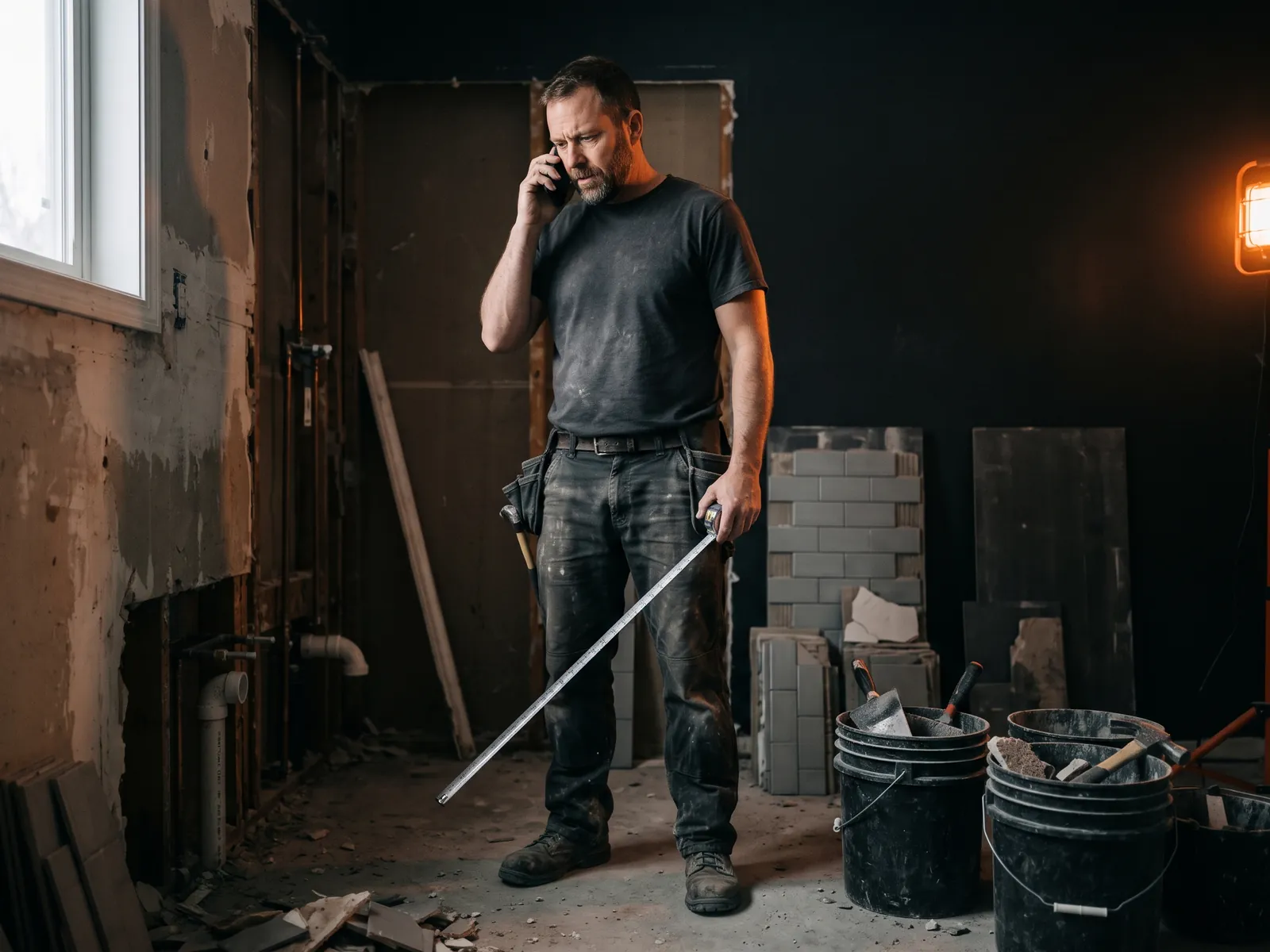
A contractor website wins jobs when it does three things well: proves you are licensed, local and capable; shows real work people can picture in their own homes; and makes asking for a quote easy from a phone on site. Pretty design comes a distant fourth. Whether you are a sparky in Wollongong, a landscaper in Toowoomba or a builder in Perth's northern suburbs, the essentials are much the same.
Here is what to include, how it differs from lead platforms like hipages or Oneflare, and the mistakes that quietly cost tradies work.
Why your own website still matters
Many contractors get work from lead marketplaces and word of mouth, and both are useful. But leads on marketplaces are often shared with other tradies, and you compete on price in someone else's shop. Your own website is the place where a referred customer goes to check you out, where Google sends people searching for your trade in your area, and where every enquiry is yours alone. It also sits behind your Google Business Profile, which links to it.
The essentials for a contractor website
Licence and insurance details
Show your licence number and the type of work it covers, and say you are insured if you are. In several states, licensing rules for home building and some trades require licence numbers in advertising, which can include your website. Rules differ between states and trades, so check with your state's licensing body or fair trading office. Customers increasingly look these numbers up, and making it easy builds trust.
Service pages for each type of job
"Electrical services" is too broad. Separate pages for switchboard upgrades, lighting, EV charger installation, smoke alarms and emergency call-outs let you explain each job, show relevant photos and appear for each search. People rarely search for your company type; they search for the job they need done.
Service area, clearly listed
Name the suburbs, towns or regions you cover, and say if you travel further for bigger jobs. For businesses covering a wide area, a page per main area can help, as long as each has genuinely useful local content rather than the same text with a different suburb swapped in. There is more on that in service area business SEO.
Real project photos
Before and after shots, finished jobs, work in progress, your ute and your team on site. Phone photos are fine if they are sharp and well lit. A short caption ("Deck rebuild, Mount Lawley, treated pine, five days") is more convincing than any slogan.
A quote form that suits the job
Ask for the suburb, the type of job and a short description, and let people upload photos. A photo of a cracked tile or an old switchboard often lets you give a rough price without a visit, which saves you a drive. Keep the form short; you can ask the rest on the phone.
Emergency versus planned work
If you do emergency call-outs, make that the first thing mobile visitors see, with a big call button. Planned work, such as renovations or installations, suits a quote form better. Do not make someone with water through the ceiling read about your kitchen design process.
Honest pricing signals
Call-out fees, starting prices for common jobs or typical ranges help customers decide to call you. You do not need a full price list, but some numbers beat none. Any price you show should be clear, with compulsory fees included.
Reviews people can verify
Link to your Google reviews and any industry platforms where you have genuine feedback. Never write or buy reviews; fake reviews are illegal under the Australian Consumer Law and easy to spot.
A quick note on who you are
An about page with your name, your trade background, how long you have been in business and a photo of you does real work for a contractor. People are letting you into their home, often while they are at work. Knowing who is turning up matters to them more than any list of values.
Contractor websites and seasons
Trade work in Australia follows the weather and the calendar. Air conditioning and pool businesses get busy before summer, roofers and gutter cleaners after storms, and many tradies want jobs finished before Christmas and the January shutdown. Builders may see more enquiries early in the year as families plan projects. Update your homepage and ads around these peaks, and have seasonal service pages ready before the rush rather than during it.
Own website vs lead platforms
| Lead platforms (hipages, Oneflare, ServiceSeeking, Airtasker) | Your own website | |
|---|---|---|
| Speed to first lead | Fast | Slower, builds over time |
| Lead shared with competitors | Often | No |
| Cost per lead | Ongoing fees or credits | Website cost plus ads or SEO |
| Your brand | Lives in their listing | Fully yours |
| Long-term asset | No | Yes |
Many contractors use both: platforms for steady volume, and their own site for higher-value jobs, referrals and search.
Mistakes that cost tradies work
- No mobile call button. Customers on the go want to tap and talk.
- Photos of other people's work from stock libraries. Customers can tell, and it undermines trust.
- One page for every service. You will not appear for specific searches.
- Missing licence number or one that is hard to find.
- A form that goes to an email nobody checks while you are on the tools. Send enquiries to your phone, or into a simple CRM.
- Slow replies. The first tradie to answer often gets the job.
What I build for contractors
The Boreal Kitchens & Cabinetry website in Edmonton, Canada, is a good example of a contractor site built to win jobs: it has a 3D calculator for instant estimates, a 3D planner and a CRM so no enquiry gets lost. See the Boreal Kitchens case study. The Canadian market is not Australia, but the problems of a contractor serving a wide area are very similar.
For tradies, a business website with me starts at $1,400 (AUD), and the Growth package (website, Google Ads setup and analytics) from $2,300. More about marketing for trades is on the tradies page, and for paid search specifically, read Google Ads for tradies.
Let’s talk
about your business
Before the call I review your website and ads. After the call you get an action plan and a price range in writing.

12+ years in online marketing, 100+ clients. I build websites, Google Ads and Meta ads campaigns, CRMs and automations for small and mid-sized businesses. About me →
Contractor website
questions
Do I have to show my licence number on my website?
In several states, licensing rules for home building and some trades require the licence number in advertising, and a website can count as advertising. The rules differ by state and trade, so check with your state licensing body or fair trading office. Showing it is good practice anyway.
Is my own website worth it if I already get leads from hipages?
Usually yes, as a complement. Platform leads are often shared with other tradies, and you compete on price. Your own website captures referrals and Google searches, and every enquiry from it is yours alone. Over time it becomes an asset that platforms cannot switch off.
What photos should a tradie put on their website?
Real photos of finished jobs, before and after shots, work in progress, your vehicle and you or your team on site. Sharp phone photos in good light are fine. Add a short caption with the job, the suburb and the material or timeframe so visitors can picture their own project.
A website that brings
quote requests, not just visits
Tell me your trade, the areas you cover and the jobs you want more of. I will plan a site around them and send a written quote.